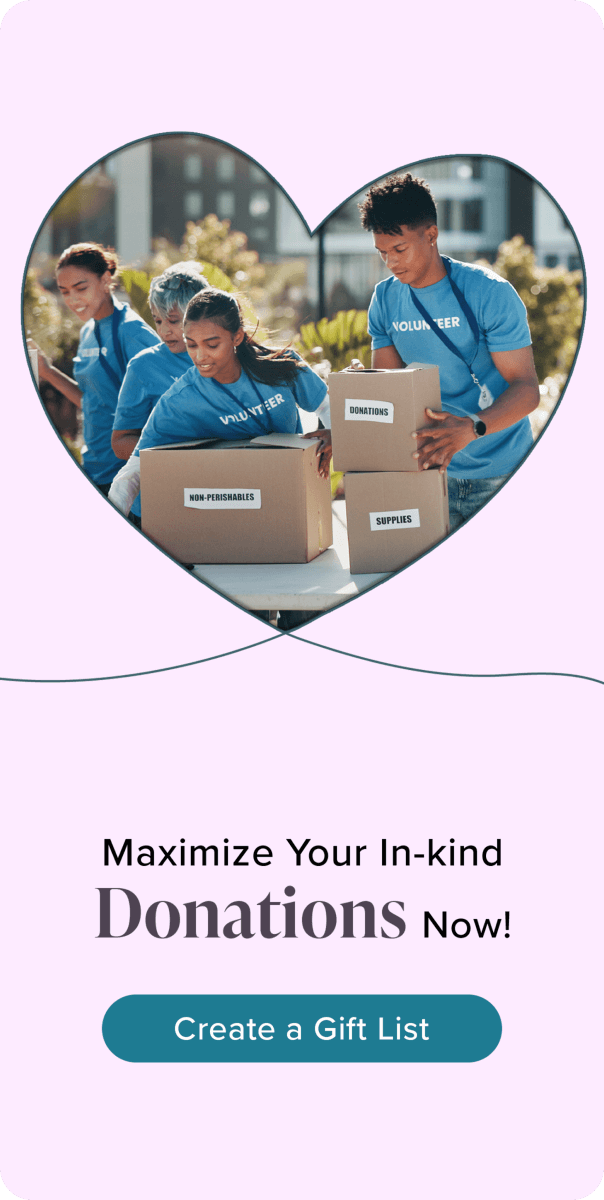
In the non-profit sector, the traditional “supply drive” has long been a staple of community engagement. Whether it is a back-to-school backpack drive, a holiday toy collection, or an emergency relief effort, the goal is always the same: getting the right resources into the hands of those who need them most. However, the logistics of traditional drives, uncoordinated donations, duplicate items, and the high cost of physical collection, often hinder the ultimate mission.
Enter the Universal Giving List. By leveraging the software solutions provided by MyRegistry.com, non-profits are moving away from the “drop-off bin” model and toward a streamlined, digital-first approach that maximizes efficiency and donor satisfaction.
1. Solving the Problem of “Uncoordinated Compassion”
Every non-profit manager has experienced the frustration of receiving 500 boxes of crayons but only 10 packs of paper. In a traditional drive, donors buy what they think is needed or what is most convenient at their local store. This leads to massive inventory imbalances and wasted resources.
With a universal giving list, the organization sets specific quantities for every item. As donors purchase an item, it is marked as “purchased” in real-time across all platforms. This ensures that donations perfectly match actual needs, eliminating waste and ensuring every donor’s contribution is utilized effectively.
2. Removing Geographical Barriers to Giving
Traditionally, a supply drive was limited to people who could physically drive to a collection point. This significantly capped the potential reach of any campaign. By using a digital platform, a non-profit can receive donations from supporters regardless of their location.
Donors can browse the specific needs of the organization online, purchase the items from their preferred retailer, and have them shipped directly to the non-profit’s warehouse. This “frictionless” giving experience is essential for engaging younger, tech-savvy donor demographics who prefer digital transparency and convenience.
3. Streamlining Logistics and Reducing Overhead
Managing a physical drive requires significant overhead: staff to sort items, space to store them, and fuel to transport them. Universal giving lists revolutionize this by turning the donor’s chosen retailer into the warehouse. Items arrive pre-sorted, boxed, and often labeled directly from the merchant. This allows non-profits to redirect their limited human resources away from manual labor and back toward their core mission services.
4. Transparency and Donor Trust in 2026
Donors today are more focused on “Impact Transparency” than ever before. They don’t just want to give money; they want to see the tangible result of their contribution. A universal giving list provides this by showing the exact item their money provided. Seeing a “fulfilled” status on a critical item like a medical kit or a specialized educational tool creates a powerful emotional connection that leads to higher donor retention rates.
| Feature | Impact on Non-Profit
|
|---|---|
| Real-Time Sync | Prevents over-donations of common items. |
| Multi-Store Integration | Donors can shop where they have loyalty points or discounts. |
| Cash Fund Integration | Aggregates small change for high-ticket items (e.g., vans, facility repairs). |
Conclusion
The transition to universal giving lists is not just a trend, it is a necessary evolution for the non-profit sector. By adopting MyRegistry.com, organizations can ensure that their supply drives are smarter, faster, and more impactful than ever before. In the world of giving, efficiency is the ultimate multiplier of compassion.