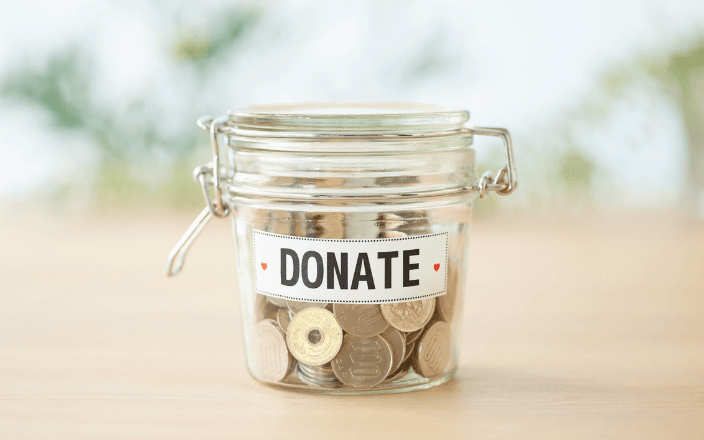
In 2026, the “best” donation method for nonprofits is no longer a single option. The most effective organizations are using a hybrid donation strategy, combining cash donations, item-based giving, and digital-first experiences to maximize impact, transparency, and donor engagement.
Donor behavior has evolved. People want to see where their contribution goes, choose how they give, and donate with minimal friction. Nonprofits that adapt to this shift are raising more, engaging donors longer, and operating more efficiently.
The real question is not “What is the best donation method?” but “What combination of donation methods drives the highest impact and conversion for your organization?”
The Evolution of Nonprofit Donations
Donation methods have shifted significantly in recent years.
Then vs Now
| Traditional Approach | Modern Approach (2026) |
|---|---|
| Cash-only donations | Hybrid giving (cash + items) |
| Generic fundraising appeals | Specific, impact-driven requests |
| Offline-heavy | Digital-first experiences |
| One-time donations | Ongoing engagement models |
| Limited transparency | High visibility and tracking |
The Top Donation Methods in 2026
1. Cash Donations (Still Essential)
Cash remains the most flexible and widely used method.
| Benefit | Why It Matters |
|---|---|
| Flexibility | Use funds where needed most |
| Scalability | Supports large campaigns |
| Operational ease | No storage or logistics |
| Speed | Immediate availability |
2. Item-Based (In-Kind) Donations
One of the fastest-growing methods in 2026.
| Benefit | Why It Matters |
|---|---|
| Transparency | Donors see exactly what they give |
| Higher engagement | Tangible impact |
| Reduced waste | Items match actual needs |
| Stronger trust | Clear connection to outcomes |
3. Digital Giving Lists
A modern evolution of item-based giving.
| Feature | Benefit |
|---|---|
| Shareable donation lists | Easy distribution |
| Real-time tracking | Avoid duplicate donations |
| Multi-store flexibility | Add items from anywhere |
| Centralized management | Simplifies operations |
4. Recurring Donations (Subscriptions)
Predictable, long-term funding.
| Benefit | Why It Matters |
|---|---|
| Consistent revenue | Improves planning |
| Donor retention | Builds long-term relationships |
| Lower acquisition cost | Reduces need for constant campaigns |
5. Peer-to-Peer and Social Giving
Community-driven fundraising.
| Benefit | Why It Matters |
|---|---|
| Expanded reach | Leverages networks |
| Higher engagement | Social proof drives action |
| Viral potential | Increases visibility |
Feature Comparison: Donation Methods
| Feature | Cash Donations | Item Donations | Giving Lists | Recurring | Peer-to-Peer |
|---|---|---|---|---|---|
| Flexibility | High | Low | Moderate | High | Moderate |
| Transparency | Moderate | High | Very high | Moderate | Moderate |
| Engagement | Moderate | High | Very high | High | Very high |
| Operational complexity | Low | High | Moderate | Low | Moderate |
| Scalability | High | Moderate | High | High | High |
Cost Comparison: Which Method Is Most Efficient?
Each donation method comes with different operational costs and returns.
Cost Breakdown
| Method | Setup Cost | Operational Cost | ROI Potential |
|---|---|---|---|
| Cash donations | Low | Low | High |
| Item donations | Low | Moderate–High | High |
| Giving lists | Low–Moderate | Moderate | Very high |
| Recurring donations | Moderate | Low | Very high |
| Peer-to-peer | Moderate | Moderate | High |
Hidden Costs to Consider
| Cost Factor | Impact |
|---|---|
| Logistics (items) | Storage, shipping, distribution |
| Platform fees | Payment processing |
| Time investment | Campaign management |
| Donor acquisition | Marketing costs |
Pros and Cons of Each Donation Method
Cash Donations
Pros
- Flexible
- Easy to manage
- Scalable
Cons
- Less transparent
- Lower emotional engagement
Item Donations
Pros
- High transparency
- Tangible impact
- Strong donor trust
Cons
- Logistics complexity
- Limited flexibility
Giving Lists
Pros
- Combines structure and flexibility
- Easy for donors
- Prevents duplicates
Cons
- Requires setup
- Needs ongoing updates
Recurring Donations
Pros
- Predictable revenue
- Strong retention
- Long-term value
Cons
- Requires commitment
- Slower initial growth
Peer-to-Peer Fundraising
Pros
- Expands reach
- Highly engaging
- Community-driven
Cons
- Less control
- Requires supporter activation
What Is the Best Donation Method?
There is no single “best” method. The most effective nonprofits use a hybrid model.
Recommended 2026 Donation Strategy
| Component | Role |
|---|---|
| Cash donations | Core funding |
| Item-based giving | Transparency and trust |
| Giving lists | Structured item donations |
| Recurring giving | Stability |
| Peer-to-peer | Growth and reach |
Expert Recommendations for Nonprofits
1. Combine Cash and Item-Based Giving
This balances flexibility with transparency and increases donor engagement.
2. Use Digital Giving Lists as a Central Hub
They simplify the donation process and improve conversion rates.
3. Reduce Friction Everywhere
Every extra step reduces donations. Simplicity is key.
4. Focus on Impact Messaging
Donors respond to outcomes, not just requests.
5. Prioritize Mobile and Digital Experience
Most donations now happen on mobile devices.
6. Offer Multiple Ways to Give
Let donors choose what works best for them.
Best Strategy by Nonprofit Type
| Nonprofit Type | Best Donation Mix |
|---|---|
| Small nonprofits | Giving lists + cash |
| Growing organizations | Hybrid model |
| Large nonprofits | Full multi-channel strategy |
| Emergency relief | Item lists + cash |
| Community orgs | Peer-to-peer + item-based |
Common Mistakes to Avoid
- Relying on only one donation method
- Making the process too complicated
- Not showing impact clearly
- Ignoring mobile optimization
- Failing to update donation needs
- Not leveraging donor data
Why Hybrid Giving Wins in 2026
The biggest shift in nonprofit fundraising is choice.
Donors want:
- Flexibility (cash)
- Clarity (items)
- Simplicity (digital tools)
Nonprofits that offer all three see the best results.
Final Verdict
The best donation method for nonprofits in 2026 is not a single method; it is a hybrid approach that combines cash, item-based giving, and digital tools like giving lists.
This strategy increases transparency, improves donor experience, and maximizes overall impact.
Nonprofits that adapt to this model are not just raising more funds, they are building stronger, more engaged communities.
FAQ: Best Donation Methods for Nonprofits
What is the most effective donation method in 2026?
A hybrid approach combining cash, item-based donations, and digital tools.
Are item-based donations better than cash?
They are more transparent but less flexible. Both are important.
Why are giving lists becoming popular?
They make item donations easier, more organized, and more engaging.
Should nonprofits offer multiple donation options?
Yes. Choice increases conversion and donor satisfaction.
What is the biggest trend in nonprofit giving?
Transparency and digital-first experiences.
At-a-Glance Summary
| Topic | Key Insight |
|---|---|
| Best method | Hybrid giving |
| Biggest trend | Transparency + flexibility |
| Highest ROI | Giving lists + recurring donations |
| Key driver | Donor experience |
| Future direction | Multi-channel fundraising |